

Notes from a talk by Leo Saldanha and Bharghavi Rao on “Contested Terrains: Environmental and Spatial Justice in Urban India” at Harvard University Graduate School of Design, organised by HUPO, the Harvard Urban Planning Organisation.
Themes
A right to life includes a right to livelihood.
This challenged by:
– privatisation
– gating
– surveillance
– separation and marginalisation
– cleansing of the urban poor
– harassment of sexual minorities
– encroachment of the car.
This creates a fragmentation of communities. The problems are well understood by elected representatives – the problem is in municipal bureaucracies.
The future needs to be the “cheap city”. The small/medium-sized city is the future. (more…)
Instructor Name
Tim Stonor
Program/Affiliation
Loeb Fellow
Email
tstonor@gsd.harvard.edu
Previous teaching experience
1996-1998 Course Director, Master of Science in Architecture, the Bartlett, University College London.
Current Honorary Senior Lecturer, the Bartlett, University College London.
Course title
Introduction to Space Syntax theory, technology and practice
Course description
Space Syntax is an architectural theory that investigates relationships between spatial layout and a range of social and economic phenomena including patterns of movement, public space use, land use and crime distribution. Built on quantitative analysis and computer technology, Space Syntax provides a set of evidence-based techniques for the analysis of spatial configurations of all kinds, especially where spatial configuration seems to be a significant aspect of human affairs, as it is in buildings and urban areas. Applied in both academic research and practice, Space Syntax treats cities and buildings ‘space first’, that is as the network of spaces that people use and move through. (more…)
Bill Doebele talk to the 40th Reunion of the Loeb Fellowship
Piper Auditorium, Harvard Graduate School of Design
8th October 2010
This is the script used by Bill to guide his talk. His actual delivery may differ in some minor respects.
Greetings!
Thank you all for making this the most memorable weekend of my life.
Also my thanks to Jim and Sally for making this one of the richest and best organized reunions ever.
I promise that I will be as brief as it is possible for a former professor to be.
I will begin with a note of appreciation, then mention one concern that I have about the future of the Fellowship.
I must begin by sincerely thanking each of you here who have astonished me by contributing to the William A. Doebele Fellowship. I salute both your generosity and your good judgment.
When I was a callow youth in the high school of a small town in the hills of central Pennsylvania, I dreamed the romantic dreams of the young. Wouldn’t it be wonderful, I said to myself, if I could do something in my life that would improve the world in a way that would endure beyond my own brief existence on this troubled planet. A modest but lasting memorial to my having been here.
Today it is hard for me to express the degree of my gratification in finding that the consummation of that youthful dream is being achieved, not by my own efforts, but through the incredible generosity of your gift. (more…)
World Bank data suggest an urban population in 2050 of approximately 7 billion, of which close to half will be living in unplanned settlements: favelas, barrios, slums. Delegates at this weekend’s Loeb Fellowship 40th Anniversary Reunion are necessarily concerned.
When the Fellowship was established in 1970, America was in turmoil with civic unrest across the country, major urban centres on fire, tanks on the streets of Detroit, the National Guard deployed against the population.
Faced with this extreme reality, John and Frances Loeb didn’t say “Let’s train a new generation of firefighters”; they decided instead to invest in a strategy of prevention.
There’s a lesson to be learned here. (more…)
Today I gave a presentation to architecture students at the Graduate School of Design titled: “Designing for transaction: the importance of spatial layout, emergence & multi-scale movement”. Here’s the introduction…
“Sites – such as the one you have been asked to look at in Queens – raise important questions about connections: how many, where, for what purpose? At what scale? For what kinds of movement? Land use? Questions that require analysis, foresight and forecasting.
Who is best skilled to judge? Transport planners, planners, architects, sociologists?
I had an interesting discussion this morning with Nicco Mele, Visiting Edward R Murrow Lecturer at the Kennedy School of Government, comparing thoughts about the network of the city and the network of cyberspace – each a network of things. I introduced him to Space Syntax and shared a few thoughts I have had since reading “The Cathedral and the Bazaar”, one of the readings on his course: DPI-659 Media, Politics & Power in the Digital Age.
Nicco had earlier sent me a link to a post on Dan Hill’s blog: “The City of Sound“, which added further food for thought about relationships between different kinds networks: digital and spatial. (more…)
Today I gave a short presentation to urban planning students at the Graduate School of Design titled: “Urban sustainability: the social, economic & environmental influence of spatial layout”. Here’s the introduction…
“In this presentation I will focus on one particular aspect of sustainability: the patterns of human activity – movement, co-presence and interaction – that occur in buildings and cities.
These patterns emerge as the result of design decisions.
I want to show how spatial layout is a critical aspect of design; how spatial layout influences human behaviour and how this has a fundamental bearing on the sustainability of urban places.”
You can find my full presentation here on slideboom.
Perhaps the greatest difference between architecture school and design practice is the reality in practice of the client, the client’s other advisors, the opponents to the project, the commentators in the press – in other words the human factor. (more…)
We are told to avoid conflict. Mostly good advice but conflict is ever near and not always avoidable. (more…)
Is architecture and art or a science? As Bill Hillier has argued, this is the wrong question. In fact it’s a silly question. Architecture is both art and science. He argues that architecture is total art and total science. In fact it’s more, because architecture engages with the everyday and the everyday is social, environmental and economic too. (more…)
 On 2nd July 2009, Space Syntax Limited held a party to celebrate its 20th birthday. The party took place around the Main Quad at University College London.
The evening began in the Slade School of Art with a special viewing of the Bartlett Summer Show before continuing on the Portico with a welcome from guest of honour, Sir Stuart Lipton.
For Tim Stonor’s words of welcome, click here.
For Sir Stuart Lipton’s speech, click here.

Guest list
Alexander, James
Event Communications
Altunisi, Ziad
Al Faisaliah Medical Systems
Asaf, Iris
UCL
Anderson, Nick
Faber Maunsell
Antonakaki, Dora
Azhar, Azhar
AZHAR Architects
Bahaj, AbuBakr
University of Southampton
Bakker, Ron
Kohn Pedersen Fox Associates
Bakr, Al-Mashhadani
Al Faisaliah Medical Systems
Baillieu, Amanda
Building Design Magazine
Beck, Helen
CABE
Bell, Chris
The FD Centre
Benedetti, Renato
Bennett, Neil
FARRELLS
Berhamovic, Aida
BAA
Bidgood, Mark
ARUP
Blackwell, Richard
Blackwell Architects
Blake, Nick
YRM Architects
Bobisse, Riccardo
JMP
Bogle, Ian
Hamiltons
Briggs, Guy
EDAW
Brown, Patricia
Central London Partnership
Brown, Robin
Hayes Community Development
Buchanan, Peter
Peter Buchanan
Budgen, Andrew
Spacelab
Caldwell, Ian
Kings College London
Canadine, Steve
Gifford
Caust, Margaret
London Development Agency
Chan, Melisa
PORTLAND
Chapman, Tim
ARUP
Charlton, Giles
CAPITA LOVEJOY
Chen Helen
Planning Office Hackney
Chiu, Lai Fong
Leeds University
Cobb, David
UCL
Cole, Allison
The American International University in London
Conner, Richard
Piercy Conner Architects
Cook, Charlotte
City of London
Cowan, Rob
Urban Design Group
Crappsley, Richard
Colin Buchanan
Cromme, Susanne
Croxford, Ben
University College London
Damati, Ali
AL Systems Medical Faisaliah
Daridsan, Alan
Mayes Daridsan
Davis, Michael
The Company Promenade Thames
de Jongh, Phil
ARUP
Deda, Luan
‘Scott Brownrigg
Deffenbaugh, John
Diamond, Ros
Diamond Architects
Duffy, Jim
HKR Architects
Dye, Anne
CABE
Dyke, John
Savills
East, John
Savills
Edwards, Michael
UCL
Fatah gen. Schieck, Ava
UCL
Fenne, Richard
Magyar Marsoni Architects
Foreman, Lucy
Smoothe
Freeman, Edward
CAPITA LOVEJOY
Fursdon, Andrew
Scott Tallon Walker Architects
Gaskin, Alastair
Reagh Consulting Company
Gilbert, Daniel
UCL
Glaessl, Daniel
Gumuchdjian Architects
Gledstone, Linda
Academy of Urbanism
Grant, Ian
Newzeye
Greene, Margarita
University Chile
Gunn, Ken
FSP Retail Business Consultants
Hagiladi, Na’amah
ARUP
Haklay, Muki
UCL
Hardy, Matthew
INTBAU
Harris, Richard
Living PlanIT
Hart, Julian
HCA
Hawkes, Victoria
Steer Davies Gleave
Hayward, Richard
Greenwich University
Heath Peter
Atkins
Herzenshtein, Irit
Longboat Tax Advisors
Honeysett, Nathalie
AON
Honeysett, Sophie
Hastings Council
Inglis, Peter
Edward Cullinan Architects
Ivattt, Martin
JMP
Jefferies, William
Square & Partners
Jenkins, Andrew
ARUP
John, Philip
JMP
Kalkhowen, Paul
Foster + Partners
Karski, Andy
Tibbalds
Keltie, Leanne
David Lock Associates
Kendall, Jonathan
Fletcher Priest Architects
Khazaka, Lita
The Prince’s Foundation
Kochan Ben
Krikler, Felicie
Assael Architecture
Lee, William
Lesser, Benjamin
Stanhope
Lewis, Michael
Child Graddon Lewis
Li, Annie
Design for London
Loew, Sebastian
Urban Design Group
Lopez de Vallejo, Irene
UCL
Lorch, Richard
Building Research & Information
Low, Fergus
More London
Lowe, Robert
Lucas, Joanna
Inspace Homes Limited
Marmot, Alexi
UCL
Mattes, Holger
David Chipperfield Architects
Mattin, Alberta
Catalyst
Maughan, Ally
Bluefin
Maynard, Julian
Duo Consultants
McAdam, Steve
FLUID
McCart, Mike
South Bank Centre
McGeough, Kevin
Homes & Communities Agency
McGowan, John
Turner & Townsend
McGrogan, Pat
Department of Environment
McKeogh, Nick
Pipers
McNally, Joy
Great Ormond Street Hospital
McNally, Andrew
Daimler Benz
Meeda, Bally
Urban Graphics
Mellon, Alastair
‘Providence Developments
Michael, Edwards
UCL
Miranda, Pablo
Aedas Architects
Monaghan, Niall
Hamiltons
Morgan, Dominic
FD
Morrison, Robert
Morrison Brink Stonor
Morrison, Franceska
Thames Promenade Company
Mowle, Lee
Steer Davies Gleave
Moynihan, Dennis
Institute for Sustainability
Murrain, Paul
Musgrave, Lucy
General Public Agency
Nanda, Vivek
Alan Baxter & Associates
Newman, Kate
This Is Not A Gateway
Nicholson, Robin
Edward Cullinan Architects
Norton, Christina
Soundings
Oades, Mike
Aedas
Oreszczyn, Tadj
UCL
Osborne, James
PPS
Parham, Susan
Council for European Urbanism
Patel, Nilesh
LDA Design
Paul, Ben
Neu
Pegg, John
craft:pegg
Phillips, Katy
City of London
Porter, Niel
Gustafson Porter
Polychronakis, Ioannis
Halcrow Group
Prevc, John
make
Priest, Keith
Fletcher Priest Architects
Protheroe, Guy
Whitelaw Turkington
Psarra, Sophia
Taubman College of Architecture and Urban Planning
Ralph, Ian
Urban Initiatives
Reed, Martin
ARUP
Redway Kathryn
Kathryn Redway Associates
Reitman, Alexandra
Greater London Authority
Renak, Leigh
YBP Consultants
Reynolds, Paul
Atkins
Rice, Colin
Edward Cullinan Architects
Roberts, Hugh
Colin Buchanan
Robinson, Stuart
CB Richard Ellis Ltd
Rose, Alasdair
EPSRC
Rosenberg, David
Velorose
Rowland, Jon
JON ROWLAND URBAN DESIGN
Rubinson, Mark
ABG Group
Ruud, Chris
University of Nottingham
Rushton, John
Small Back Room
Sailer, Kerstin
Spacelab
Sandler, Sebastian
Xul Architecture
Schaefer, Markus
Hosoya Schaefer Architects
Scott, Ian
UCL
Short, Ian
London Thames Gateway Development Corporation
Sheldon, Andrew
Urban Initiatives
Shrimpton, Hannah
Steer Davies Gleave
Smales, Jonathan
Beyond Green
Smiles, Chris
Marks Barfield Architects
Smith, Steven
DEGW
Smyth, Austin
University of Westminster
Stallard, Kinna
Atomik Architecture
Starrs, Mel
Inbuilt
Steward, Peter
Peter Steward Consultancy
Stonor, Anna
Swale Borough Council
Stonor, Michael
Stonor Europe
Stonor, Nicholas
Trinity Chambers
Stowell, George
George Stowell
Sutton, Vaughan
ARUP
Thornton, Bron
Walk 21
Tollast, Julian
Quintain Estates and Development
Toogood, Elaine
Elaine Toogood
Tricker, Jonathan
Urban Initiatives
Tschawow, Kati
Asseael
Turner, Alasdair
UCL
Twelftree, Peter
Steer Davies Gleave
van Bruggen, Ben
Savills
Vause, Christopher
Maclay, Murray & Spens
Walker, Jim
Walk England
Warwick, Elanor
CABE
Watson, Patrik
Buro Four
Wedderburn, Martin
Buchanan
Ween, Camilla
Transport for London
Wernick, Jane
Jane Wernick Associates
Wheeler, Paul
Land Securities Trillium
Whitfied, Debbie
Pipers
Wojciech, Dziubek
Quixotic Architectrue
Wood, Robert
Duo Consultants
Wood, Matthew
Conran and Partners
Worthington, John
DEGW
Yao, Jerry
Charles Ming & Associates
Zad, Rogers
KOF media
Dear [colleague]
Are you familiar with the attached. I think there’s a connection with the article on modelling that you sent me. I believe we can present Space Syntax as addressing the “crisis of modelling”, in which:
– traditional modelling makes dire predictions about the impact on vehicles of public realm-/public transport-oriented projects are unfounded
– traditional modelling is cumbersome, time-consuming and expensive
– traditional modelling seems overly focused on narrow issues such as gross vehicle movement and less aware of “real” issues such as community severance and economic performance. (more…)
INTRODUCTION
Let me begin at the end with a summary of my presentation. The space syntax approach is more than a computer programme. The beauty – and I think it is a beauty – of the approach is that it combines three key aspects of practice: the first two have been dealt with in depth by Bill Hillier in his presentation and these are architectural theory and computer technology. The third is design experience. In a wide range of design sectors and across all scales, from individual building layouts to entire cities and city regions, over twenty years of practice have demonstrated that space syntax offers architects, like myself, an edge. Whether we see this as an edge over our fellow architects, an edge over the unsustainable processes that have emerged to stifle communications between architects and non-architects or an edge over the unexpected events that shape everyday life, space syntax provides an edge. (more…)
The physical and spatial form of a settlement structures the potentials for two key outcomes: social interaction and economic trade. These outcomes are cornerstones of sustainability.
Movement, on foot and in vehicles, is the fundamental process that underpins these outcomes. Patterns of movement are shaped by the geometry of the street network. Patterns of land use are shaped by patterns of movement. Patterns of crime and of land value are similarly affected. These processes are not mysterious but, instead, are well researched and understood. (more…)
One of the most significant challenges in modern planning is to deliver new urban development in a resource-effective and energy-efficient way. Considerable efforts have been made to develop energy-saving building materials and technologies, and rightly so. But is this enough?
I believe we can do more by controlling and reducing energy demand not only inside buildings but also between them. This means creating urban environments, as well as urban architecture, that reduce energy consumption. We can see this already happening, for example in forward-thinking governments placing greater emphasis on public transport over private.
There is though a further step that can be taken towards urban sustainability, which is to reduce large-scale, long-distance movement in cities and, in its place, promote local activity and shorter journeys. There are two parts to this. (more…)
In searching for a sustainable Britain, we should not only be looking at what is built in Britain but also at what we, the British, export elsewhere. We need a sustainable British as well as a sustainable Britain. (more…)
I am delighted to have been invited to this important conference on Italian tourism, to share my experience as an architect, working on the design of tourist destinations in the United Kingdom and overseas. I hope to show how this experience might be relevant in planning and designing the relaunch of Italian tourism. (more…)
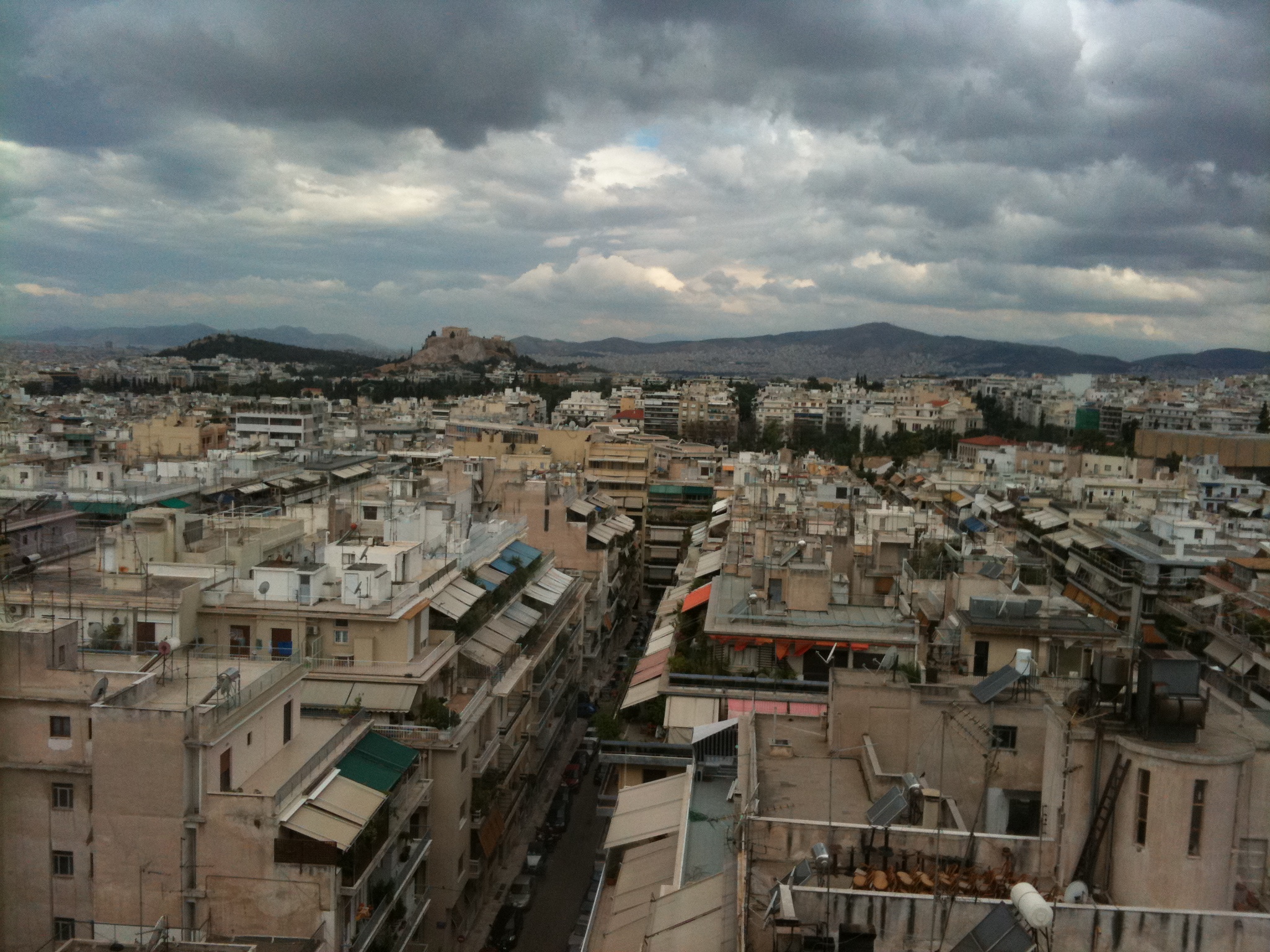
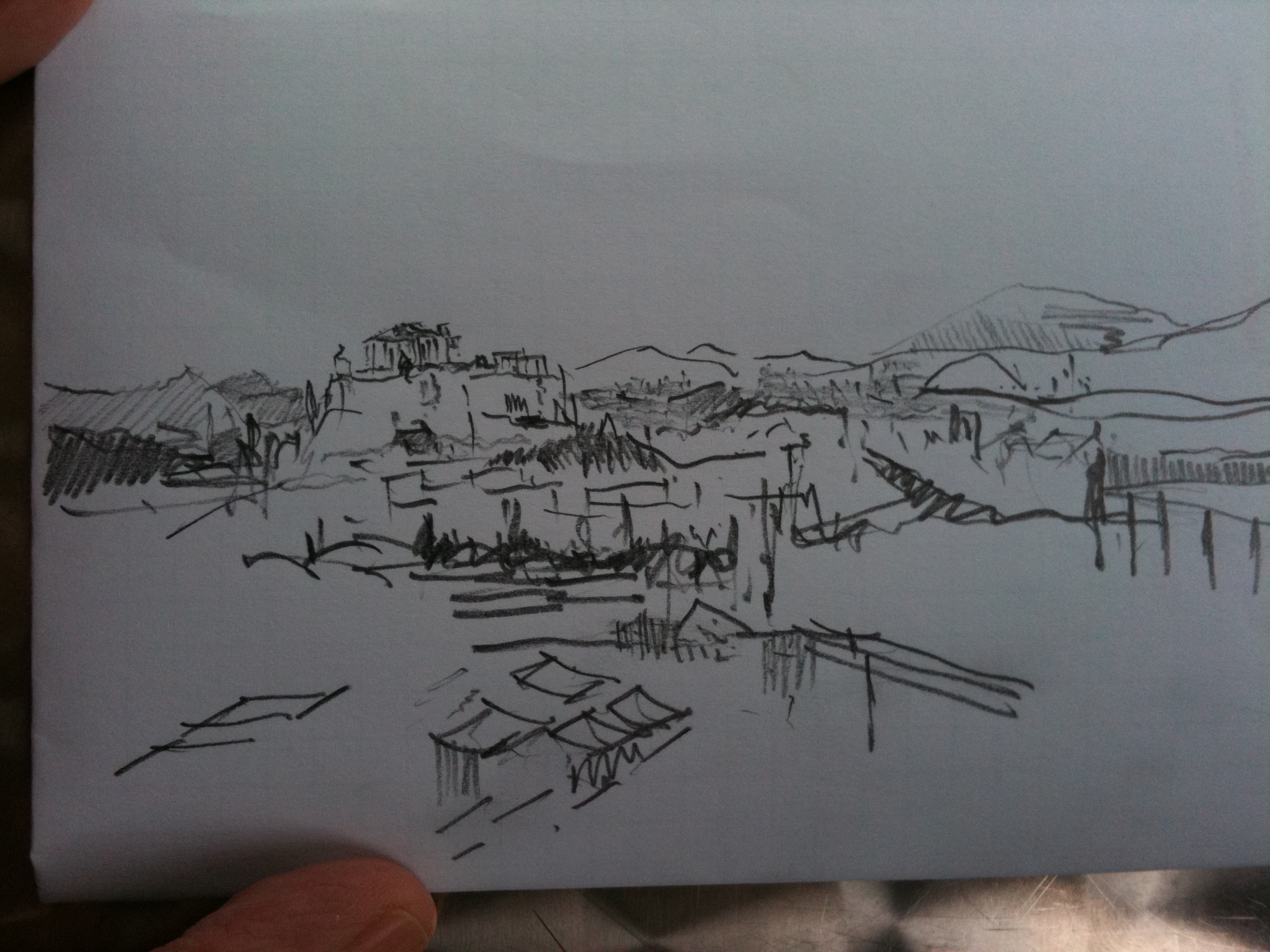
 Tim Stonor