Category: Buildings

  • Design buildings like sandwich boxes?

    Design buildings like sandwich boxes?

    This post is taken from my reply to Peter Madden’s LinkedIn thinkpiece: https://www.linkedin.com/posts/professor-peter-madden-obe-b5684020_futuresthinking-fridayfuturesinsight-activity-6900394364888322048-CIrf

    The silver lining of COVID is that it’s exposing the links between where we live and how we live, whether that’s the exercise we get/or don’t get from the ways we now travel to work or the windows we open once we get there. It’s making us think.

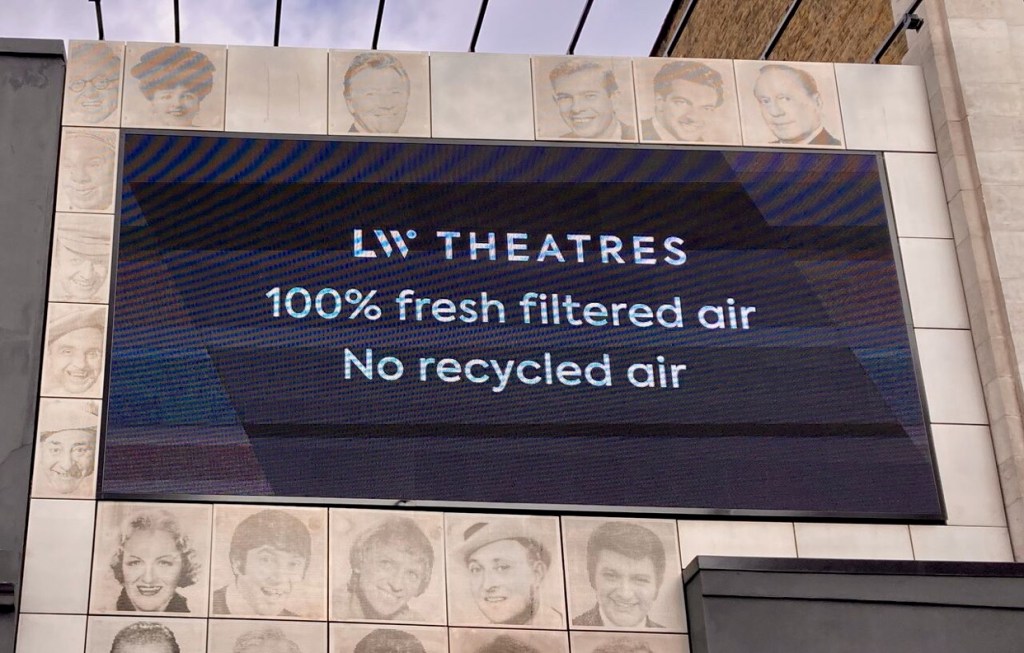
    So if we take notice of whether what we eat is grass fed or free range or plant based then why shouldn’t we equally be interested that the air in a theatre is fresh-filtered? Why shouldn’t we think what it would mean for building facades to be like bean tins or sandwich boxes? Carrying information on their environmental and health performances. Not simply ‘as designed’ but also ‘as used’.

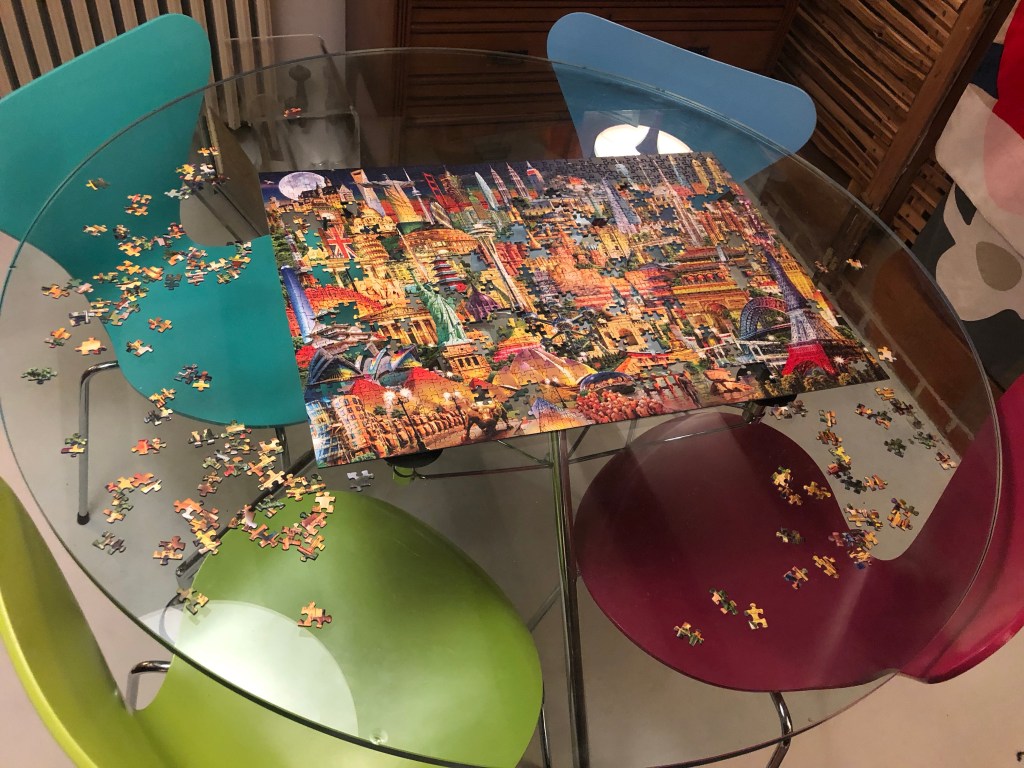
    Perhaps not plastered across the windows and rooftops (like the Shandwick packet in my photo) but embedded in QR codes and augmented reality overlays. Or just tastefully (pun intended) done as in Peter Madden’s photo.

  • Choosing the office of the future: a time for quality, not quantity

    Choosing the office of the future: a time for quality, not quantity

    Released today, Deloitte Real Estate’s London Office Crane Survey reports a 50% reduction in the construction of new office space in central London in six months. Yet even such a significant reduction in supply may not be enough to offset a greater reduction in demand. As a result, there is likely to be an oversupply of office space in central London. 

    Mike Cracknell, director at Deloitte Real Estate, said, “By transforming outdated buildings into COVID-safe, high-quality workspaces, developers are looking to upgrade and futureproof their offices in a market where occupational demand is increasingly discerning.”

    Indeed, in a buyers’ market, what matters is quality not quantity. And not only the functional specification of office space in terms of health and safety – such as air quality, general environmental cleanliness and the presence or not of touchless interfaces – but also in terms of organisational performance: is this an office in which my organisation can thrive?

    When evaluating their needs, organisations must consider the fundamental purpose of an office. 

    It is no longer enough – if ever it were – to think of an office as a place that’s big enough to get most people together to give them a place to work from where they can occasionally gather in large rooms for group meetings. That can all be done, to some degree of success, on Zoom. Nor is it about having a desk where everyone can work from. For most, a kitchen table or home office may still be good enough. 

    No, what matters is everything that doesn’t get programmed into the working day: the incidental, the serendipitous. Sometimes thought only of in terms of ‘the social side of things’, the informal interactions that occur in offices are actually the hard currency of operational effectiveness. Offices that ‘buzz’ are places where ideas are born and shared. Where people not only want to work but want to stay working. And where outsiders want to visit, bringing with them their own ideas, their own colleagues and, in so doing, enhancing the melting pot of creativity.

    (more…)

  • No board rooms, no desks. The office of the future…

    No board rooms, no desks. The office of the future…

    Images of future offices, with physically distanced workstations to separate desk-bound workers, seem to miss the point. Offices aren’t for staying apart – they’re for coming together. But how can that be organised in a post-COVID world?

    Offices have desks because we’ve long thought that people couldn’t or shouldn’t work from home. Attitudes were changing slowly, with progressively greater levels of home working in recent years. Now, enforced lockdown has shown, in a short space of time, that for many of us it’s entirely possible to do much of our work from the place we live.

    This is especially so when we’ve got the right kit and the right applications, and when we’ve moved sufficiently well along the learning curve to use our tech properly. And home working is likely to be even easier when, for many, the kids are back at school and home is an emptier, quieter and less disruptive place to be.

    To continue to be relevant, to be attractive to people who are used to the comforts of home working, offices should no longer be boxes where people sit further apart from each other. Instead, they need to be places for doing what can’t be as easily done at home:

    ⁃ serendipitous encounter outside of planned meetings

    ⁃ overheard conversations that prompt interruptions, discussions and, as a result, new ideas

    ⁃ introductions between the person you’re with and the person you bump into. (more…)

  • Silver linings: how design can exploit the virus

    Silver linings: how design can exploit the virus

    A “to do” list for urban planners, architects & interior designers, in response to the coronavirus.

    In towns & cities:

    • reduce traffic speeds to 20mph/30kph to discourage speeding on empty streets during lockdown & to keep the air clean, the sound low & the accidents down after the “return”.

    On wide streets:

    • broaden footways to improve physical distancing in the short term & encourage pedestrian flow in the long
    • then narrow roadways further with cycle lanes to support physical activity during lockdown & active commuting on the return.

    In public spaces:

    • provide more shade, more seats, more WiFi
    • place more seats on broadened footways so calls can be answered & people can convert from moving to sitting down…
    • …and so “I’ll call you back” becomes “Just give me a second to sit down.”

    (more…)

  • Intense relationships: measuring urban intensity

    Enriching design practice by the mapping of human behaviour patterns could transform urban space

    An article published in the Architectural Review on 30th April 2018.

    There’s much debate about how to measure density – dwellings per hectare, bedrooms per hectare or people per hectare; including or excluding major highways, parks and open spaces; the permanent population only or the transient one too? 

    While this gives urban planners something to disagree about, it risks missing the point: great urban places are not created by density; they’re created by intensity. The difference matters. When people describe the buzz of a market they don’t say, ‘Wow – it was so dense’. They’re much more likely to say how intense it was. Density is a word used by planners. Intensity is a word that real people use, and perhaps because it describes the outcomes that people experience rather than the inputs that have gone into creating them. It’s the outcomes that are ultimately more important.

    But planning professionals like density. Even though density doesn’t capture the essence of what it feels like to be somewhere, the term appeals to professional instincts. It describes the raw ingredients that planners have to handle and, once you choose which version of the formula to use, density is easy to measure. It involves a simple calculation of straightforward urban quantities such as the number of people, of houses or of bedrooms, all divided by the geographic area over which those ingredients occur. Easy.

    By contrast, intensity seems more difficult to pin down, not least because it appears to have a subjectively emotional dimension; it speaks of feelings, responses, stimuli; raising problems about how it can be measured. But intensity is also a response to context, to place and above all to people – and here we find clues to its measurement.

    (more…)
  • Integrated Urban Planning – balancing the multiple flows of the city

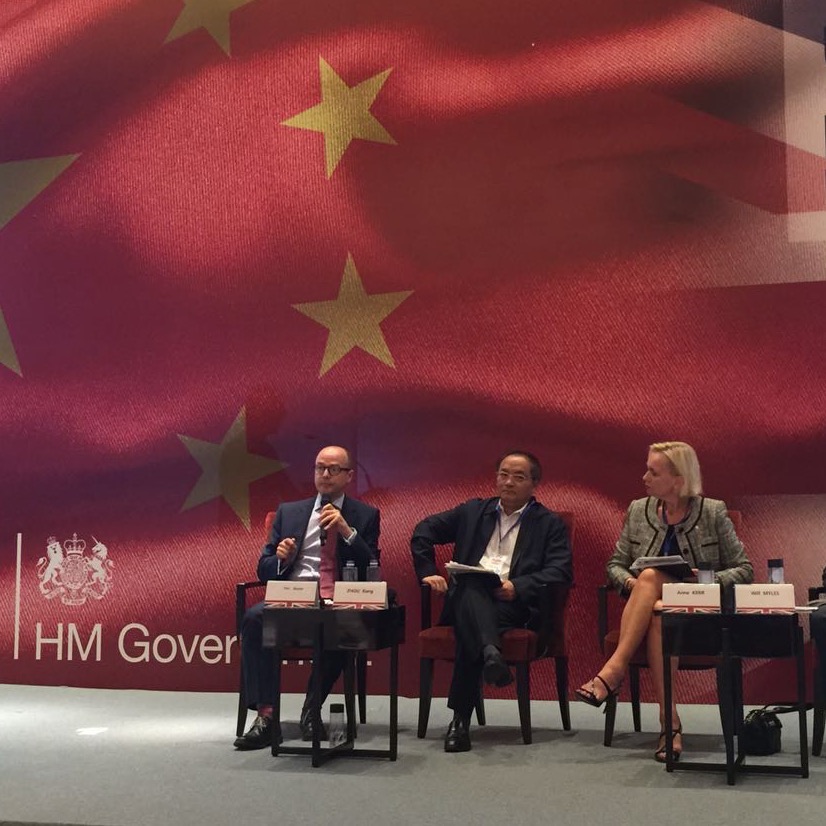
    Notes for the UK-China Sustainable Urbanisation Conference in Chengdu, China on 24th September 2015


    My job as an architect and urban planner is to design new towns and cities – as well as new parts of existing urban settlements. This means designing the multiple systems that make up a city. We often think about towns and cities in terms of their physical stuff: their buildings. Perhaps also in terms of their roads and rails. But for me the success of any city can be seen and measured in terms of its flows, the flows of:

    • energy
    • water
    • data

    and, most important of all, the flows of:

    • people: in cars, on public transport, on bicycles and on foot.

    Each of these flows is impacted by urban development: how much of which land uses are placed where, and how they are then connected to each other. Flows impact on other flows.

    Sometimes these impacts are positive, sometimes negative. They have enormous social and economic implications.

    Urban planning is as much about designing flows as it is designing buildings.

    We live in an age of unprecedented computing power – this gives us the ability to better predict the nature of these impacts.

    This is especially important to avoid the unwanted effects of urban development: congestion, air pollution, social isolation and unsustainable stresses on natural resources.

    And computing can help create the positive impacts that are needed to support the essential purpose of cities: to be:

    • machines for human interaction
    • crucibles of invention
    • factories for cultural creation.

    The last decade has seen the emergence of Integrated Urban Modelling. My company, Space Syntax, is a leader in the field: one of the UK companies referred to by the Chancellor as contributing to China’s growth and development. Working, for example, with the China Academy of Urban Planning and Design across China in Suzhou and Beijing.

    Integrated Urban Models link the data generated by the multiple flows and reveal the interactions that help architects and urban planners create sustainable plans. Space Syntax has identified the essential role of spatial layout as the principal influence on urban performance. Spatial analytics are at the heart of our approach to Integrated Urban Modelling and we have made our discovery open source and openly available so that others can benefit too.

    The Space Syntax Online Training Platform is a freely available, web-based resource through which urban practitioners, policymakers and local residents can equip themselves with information and skills to create more sustainable urban futures.

    I’m pleased to announce that this platform is currently being translated into Chinese so that the Space Syntax’s discoveries and experiences can be more readily disseminated here in China.
    _____________

    Integration, balance, glue, pivot: space
    In many ways, urban planning is the integration and balancing of multiple flows. Integration needs glue and balance needs a pivot. Spatial layout provides both.


  • What did the Romans ever do for us? Pompei’s 5 lessons for placemaking…

    What did the Romans ever do for us? Pompei’s 5 lessons for placemaking…

    Download the presentation
    Tim Stonor_Future mobility 15.001

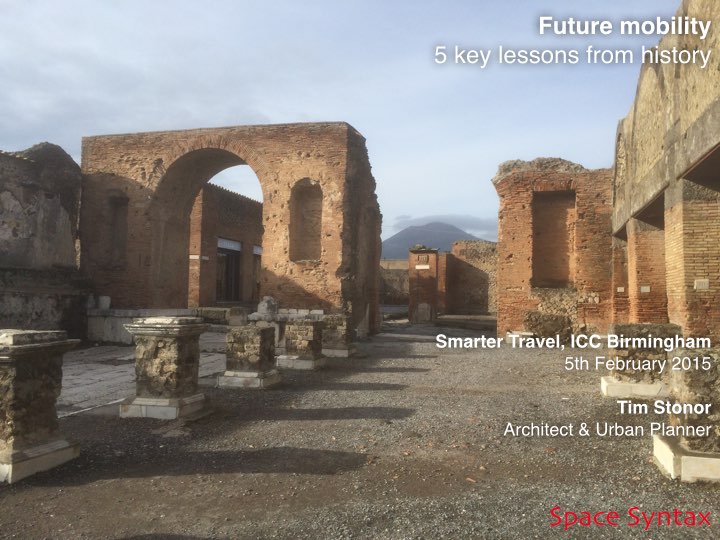
    In looking forwards it is important to learn the lessons of history.

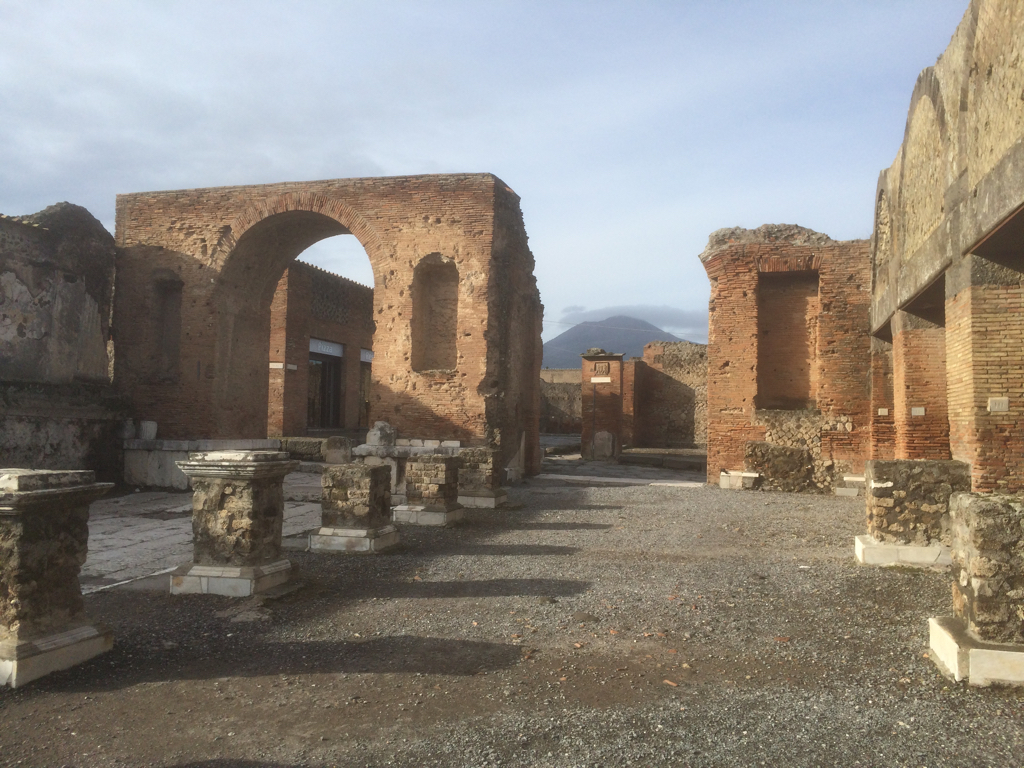
    Look at Pompei. A city built for efficient mobility. 

    A model of the 1st century with lessons for the 21st century. 
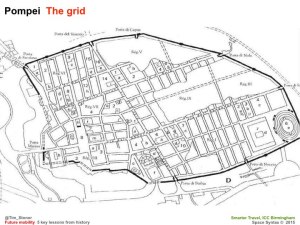
    Tim Stonor_Future mobility 15.002

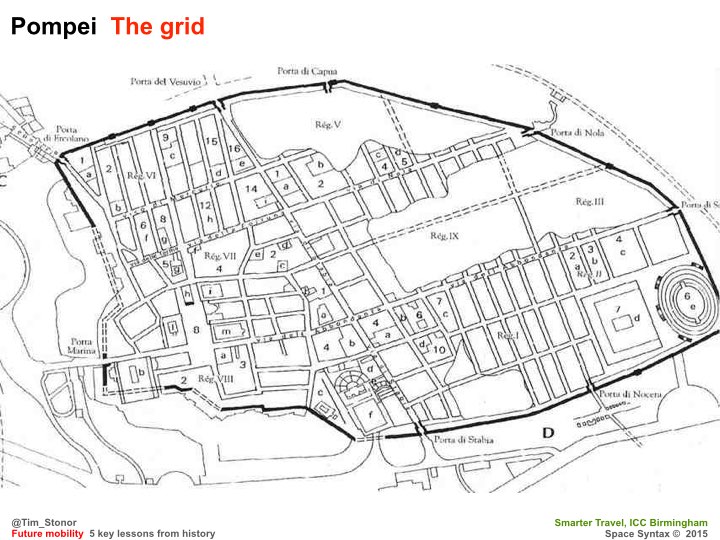
    The grid – no cul de sacs. Built for mobility. Built for commerce. 

    More or less rectilinear – not labyrinthine. A layout that brains like. Easy to wayfind. Hard to get lost in.
    Tim Stonor_Future mobility 15.003

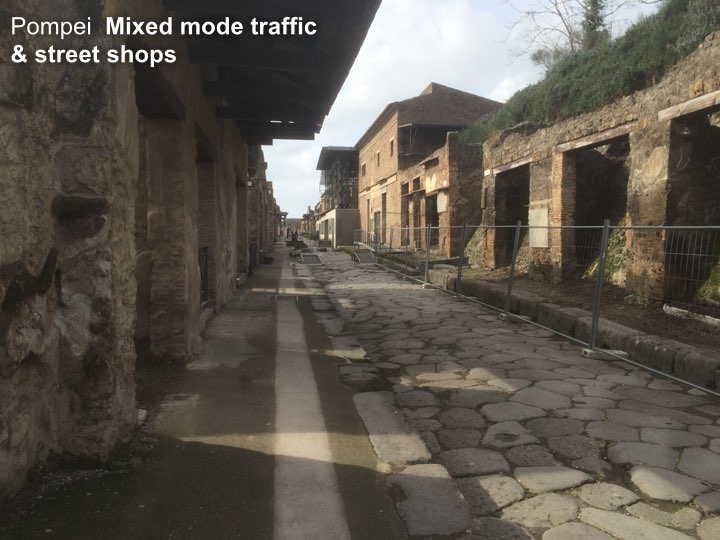
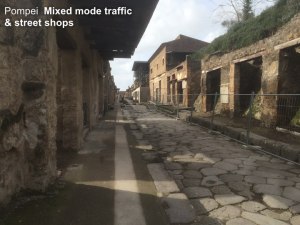
    A Main Street with shops – no inward-looking shopping malls. Active frontages. About as much surface for pedestrians as for vehicles – the right balance for then. Perhaps also for now?
    Tim Stonor_Future mobility 15.004

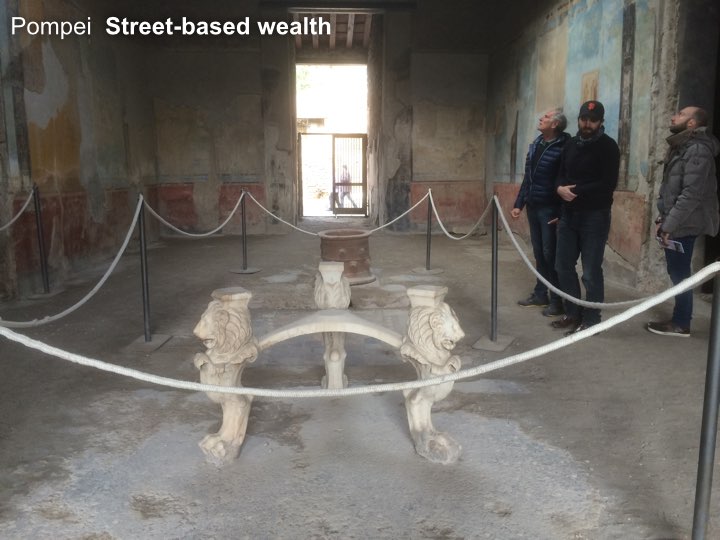
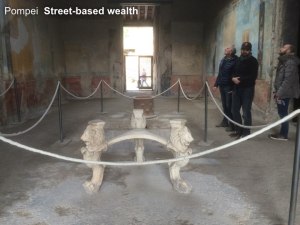
    And shopkeepers of great wealth! It was not a compromise to open onto a Main Street. It was a sound commercial investment. Who would turn their back on the flow of the street?
    Tim Stonor_Future mobility 15.005

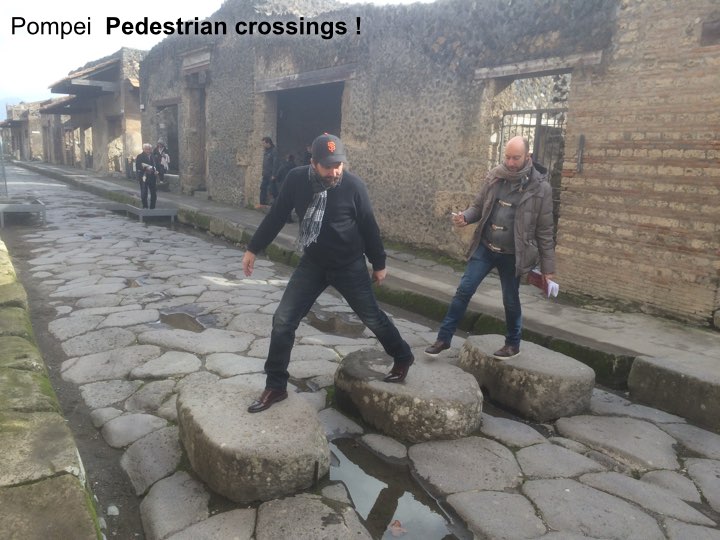
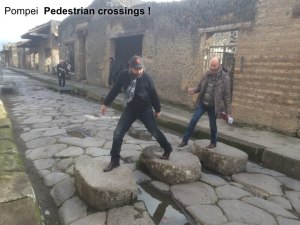
    Pedestrian crossings! The deep kerbs channel water when it rains, flushing the dirt from the road and keeping it clean. Integrated infrastructure.
    Tim Stonor_Future mobility 15.006

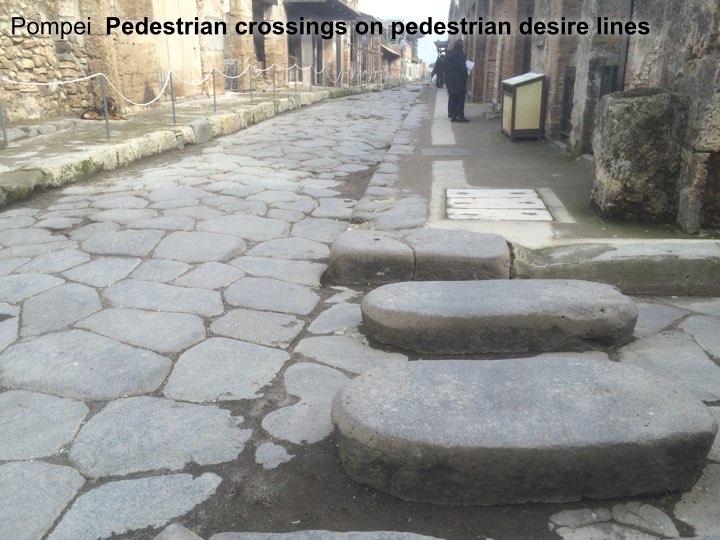
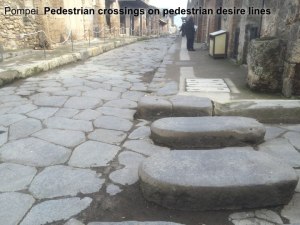
    Pedestrian crossings that are aligned with pedestrian desire lines – not following the convenience of traffic engineers’ vehicle turning arrangements. Pedestrians first because its the pedestrians that carried the money, not the vehicles.
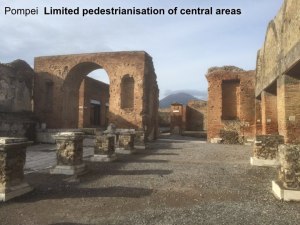
    Tim Stonor_Future mobility 15.007

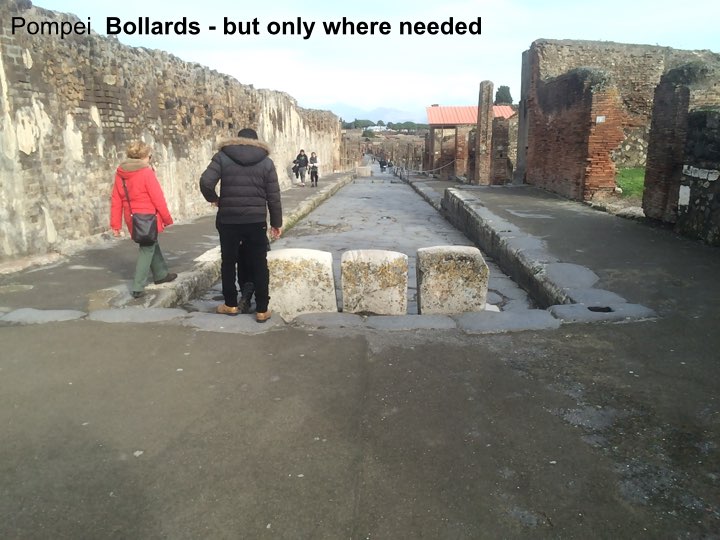
    A small, pedestrian only zone in the very heart of the city. No bigger than it needs to be…
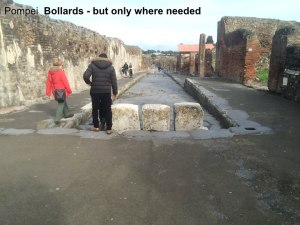
    Tim Stonor_Future mobility 15.008

    …unambiguously signed that this is where you have to get out of your chariot and onto your feet. 
    Tim Stonor_Future mobility 15.009

    Pompei: a city of great streets – great street sense.
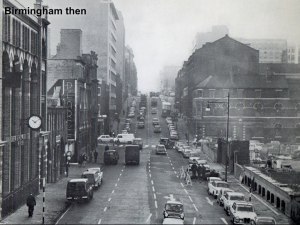
    Tim Stonor_Future mobility 15.010

    But in recent times we lost our street-sense. 

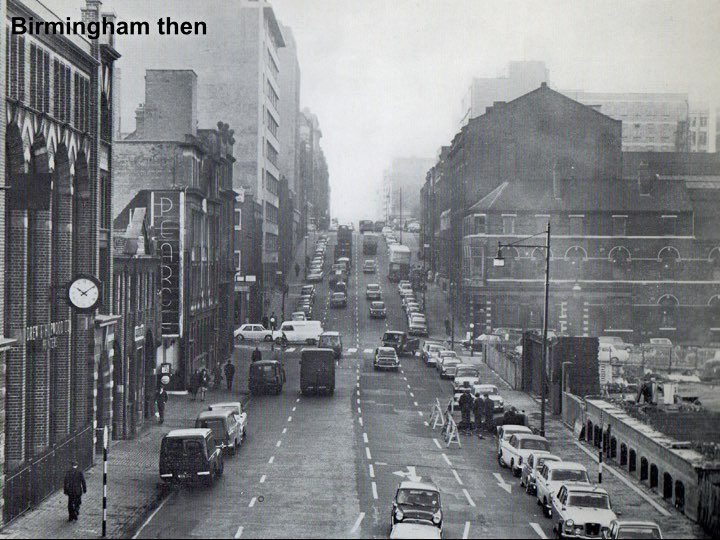
    Look at Birmingham then…
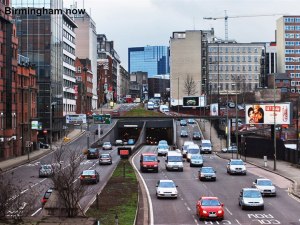
    Tim Stonor_Future mobility 15.011

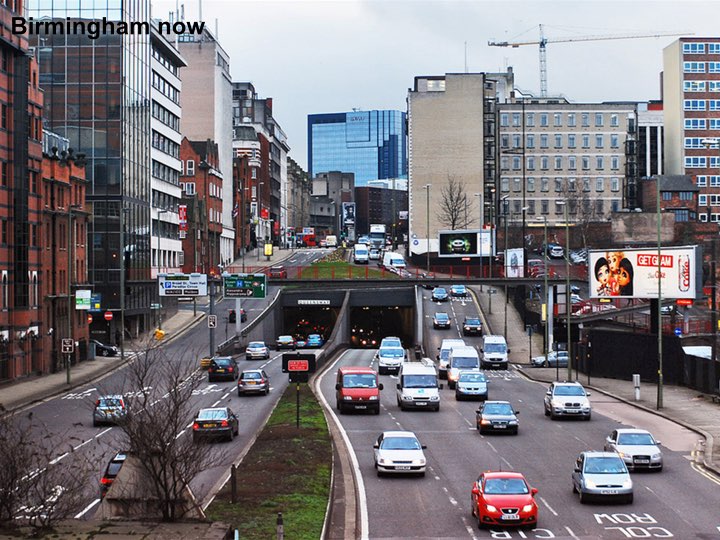
    And now. What happened to our street sense?
    Tim Stonor_Future mobility 15.012

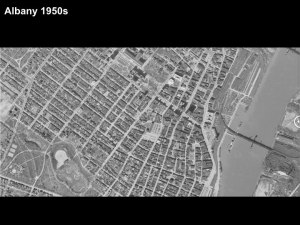
    And Birmingham was not alone. 

    Look at US cities:

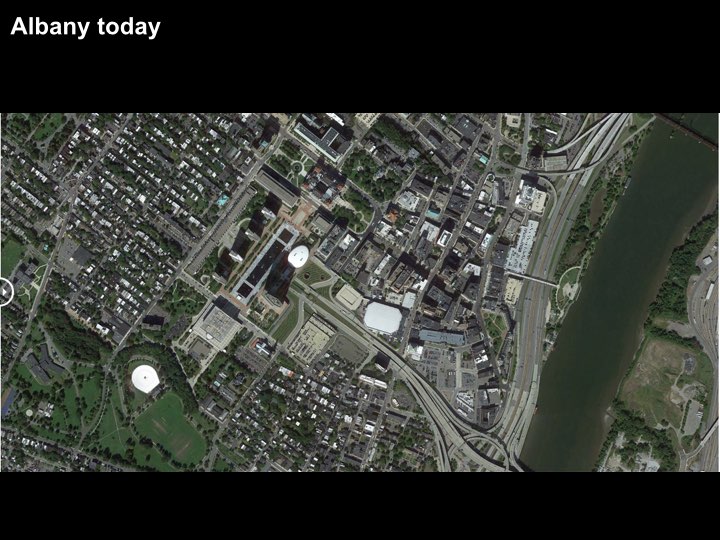
    What they were…only 60 years ago – recognisably like Pompei: simple, rectilinear grids.
    Tim Stonor_Future mobility 15.013

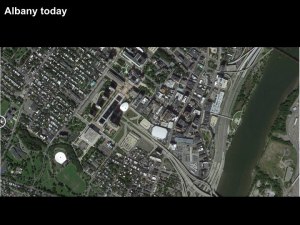
    Then what they became…

    We became entrapped by traffic models. 

    And a love-affair with the car. 

    We need to regain our street-sense. 
    Tim Stonor_Future mobility 15.014

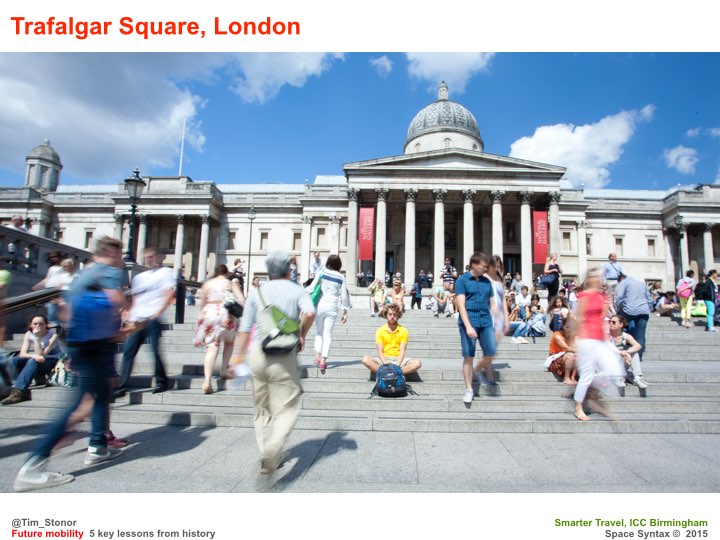
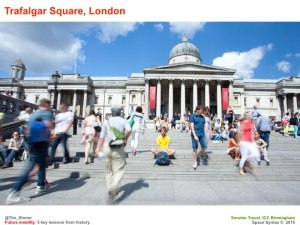
    Fortunately this is happening. 

    Trafalgar Square,

    Nottingham.
    Tim Stonor_Future mobility 15.015

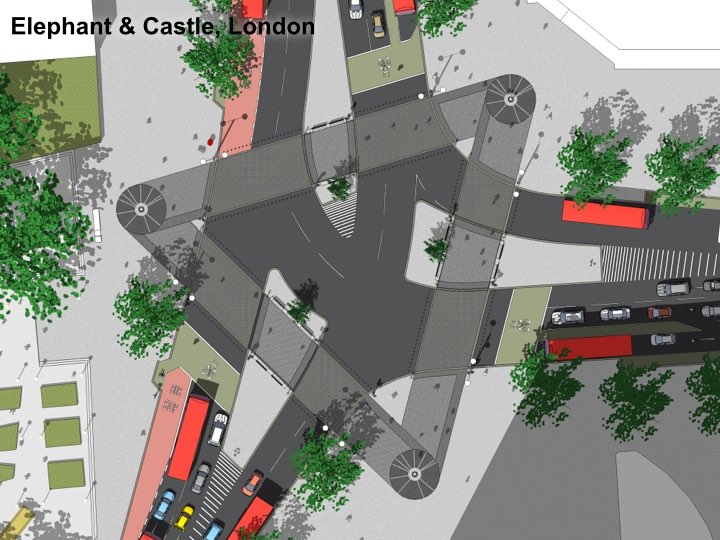
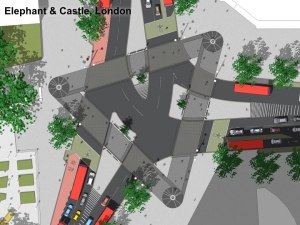
    At the Elephant & Castle, this design puts the pedestrian crossings on the pedestrian desire lines – just like those crossings in Pompei. We’ve talen pedestrians out of subways and given them their proper place at street level, next to the shopfronts. We’ve made the humble crossing an object of beauty, spending many different budgets (landscape, planting, pedestrian, cycling, highways) on one project so that each budget gets more than if it had been spent separately.

    Tim Stonor_Future mobility 15.016

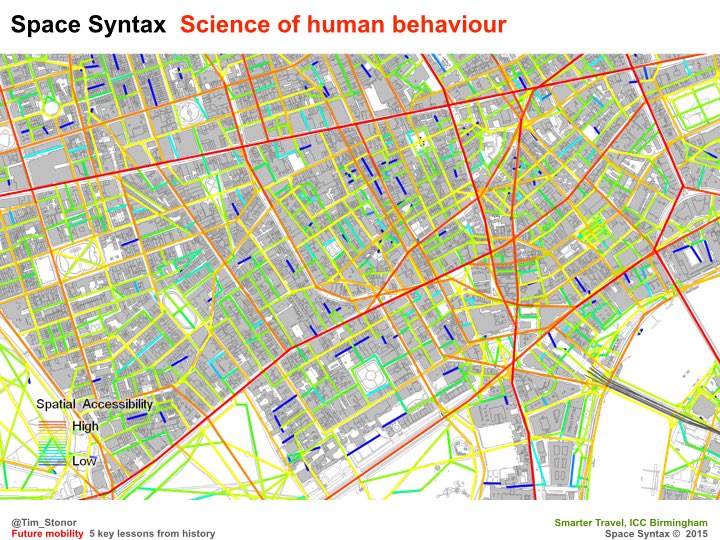
    This new approach – a rediscovery of street sense – has been made possible through advances in science that have made us see the errors of previous ways.
    Tim Stonor_Future mobility 15.017

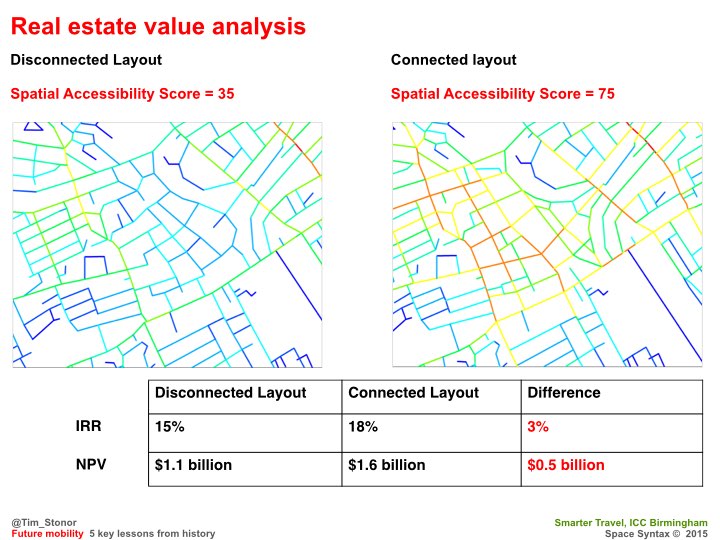
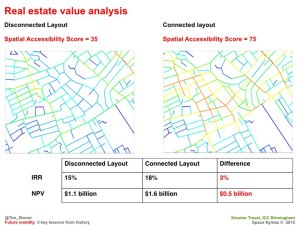
    The more we look into this the more we find of value: for example, how connected street grids create higher property values in the long run.
    Tim Stonor_Future mobility 15.018

    And Birmingham has pioneered this science:

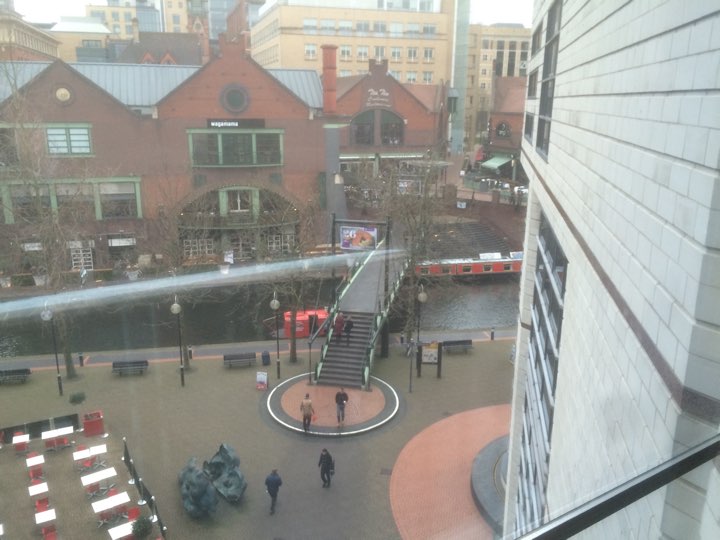
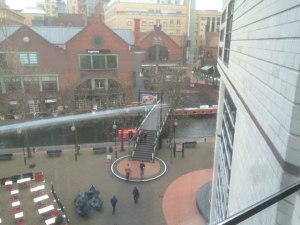
    Brindley Place – the bridge on the straight east-west route – a lesson from Pompeii! It may seem obvious today – because it’s a natural solution – but it wasn’t obvious to some people at the time, who wanted the bridge to be hidden round the corner because, they said, there would be a greater sense of surprise and delight! What nonsense. We had to model the alternatives and show just how powerful the straight alignment was.

    We still have to do so today. Many urban designers and transport planners have been slow on the uptake. The average pedestrian gets it immediately. What does that say for our professions?
    Tim Stonor_Future mobility 15.019

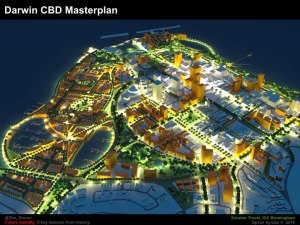
    Now cities all over the world are recovering their street sense, creating plans for their expansion that are street-based, not mall-based.
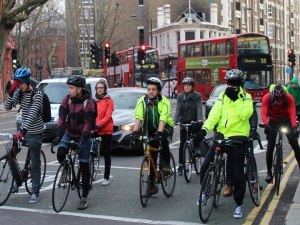
    Tim Stonor_Future mobility 15.020

    In time to accommodate a new, two-wheeled chariot: the bicycle.
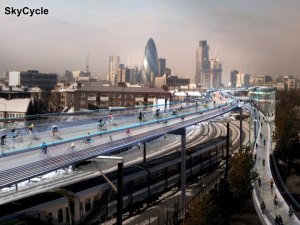
    Tim Stonor_Future mobility 15.021

    SkyCycle – a new approach to urban mobility. Creating space for over half a billion cycle journeys every year. Constructed above the tracks, allowing smooth, predictable, junction-free movement between edge and centre. Developed by a consortium of Exterior Architecture, Foster + Partners and Space Syntax.

    Adding to cycling at street level – not taking it away.
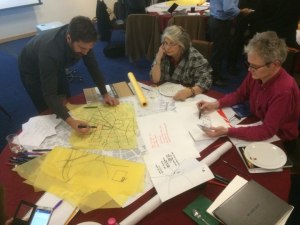
    Tim Stonor_Future mobility 15.022

    Recently, at the Birmingham Health City workshop,a discussion about the location of healthcare facilities quickly became one focused less on hospitals and wards and more on streets and public spaces. On “free”, preventative public health rather than expensive, clinical curative care. Free in that it comes as the byproduct of good urban development. 

    Tim Stonor_Future mobility 15.023

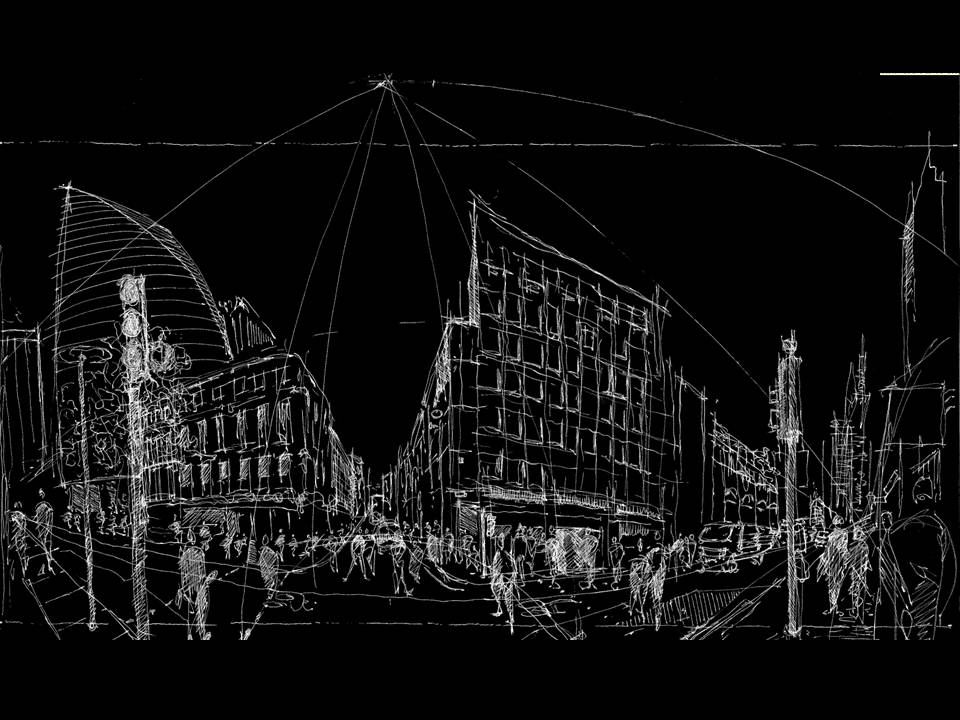
    Rob Morrison’s drawing of the Birmingham Boulevard…
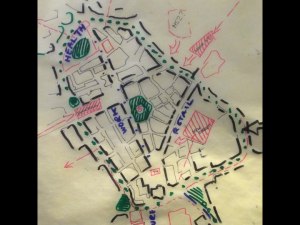
    Tim Stonor_Future mobility 15.024

    …an idea to turn the Inner Ring Road into an active street.
    Tim Stonor_Future mobility 15.025

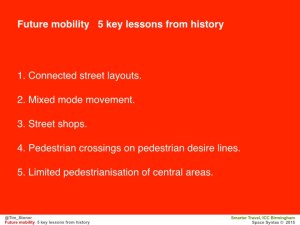
    And to achieve this there are clear principles to follow:

    1. Connected street layouts.

    2. Mixed mode movement – not separated by tunnels and walkways.

    3. Active streets ie lined with street shops not mall shops.

    4. Pedestrian crossings on desire lines, not where it’s most convenient for traffic turnings.

    5. Limited pedestrianisation of the most important civic areas.

    A thought – yes Pompeii was a city of commerce but the houses of the city are filled with references to literature, poetry, music: the arts. 

    Huge cultural value. 

    After all, this is the important, aspirational aspect of living in cities that comes with the efficient mobility that results from pragmatic planning: the grid, mixed modes, active frontages on main streets and special, limited, high intensity, pedestrian only places. 

    When we get this right we have time to truly enjoy ourselves in the arts and sciences. In culture. That is truly great urbanism.

    Download the presentation
  • Space Syntax City Projects Walk

    On Tuesday afternoon, 3rd September, I led a walking tour of built projects by Space Syntax.Space Syntax City Projects Walk

    Trafalgar Square

    Royal Festval Hall

    Tate Modern

    One New Change

    New Bloomberg Headquarters (under construction)

    Willis Building

    30 St Mary Axe

    Heron Plaza (under construction)

    Liverpool Street Station retail concourse

    Broadgate, Exchange Square

    Barbican Arts Centre (more…)

  • MSc Advanced Architectural Studies – graduate employability

    A talk given at the 40th Anniversary celebrations of the MSc in Advanced Architectural Studies – the “space syntax” MSc at University College London, 3rd September 2013.

    Good evening, everyone.

    Let me begin by paying tribute to the genius of Bill Hillier and Julienne Hanson. Not only for pioneering a theory – the theory – of architecture, but also for finding a way to teach it that has had such an effect on us all.

    I’ve been asked to speak this evening about the issue of employability: does taking the MSc in Advanced Architectural Studies either enhance or inhibit the job propsects of its graduates?

    Here’s what I want to say:

    First, I’d like to review the perceived problem of Space Syntax – why it’s sometimes viewed with skepticism and how that impacts at interview; second, the nonsense of this criticism: why do I even need to be up here to defend the course; third, the “Hang on, maybe there’s an element of truth here” moment; and finally a belief that we can’t rest on our laurels. (more…)

  • Old Street – putting the genie back in the bottle?

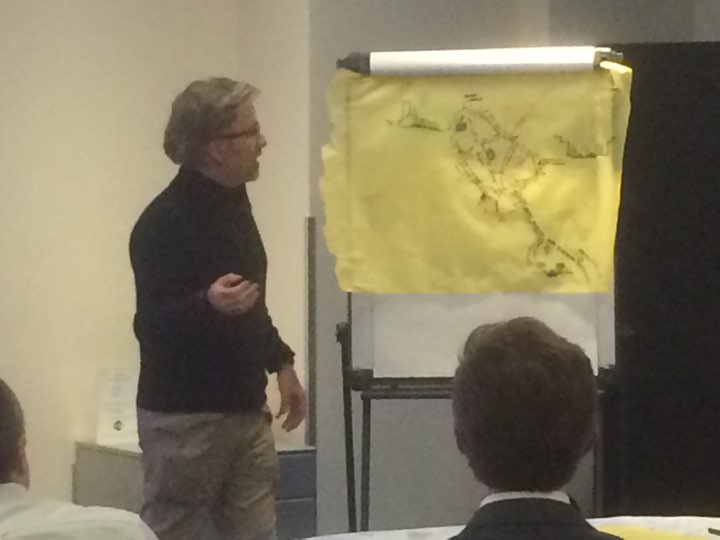
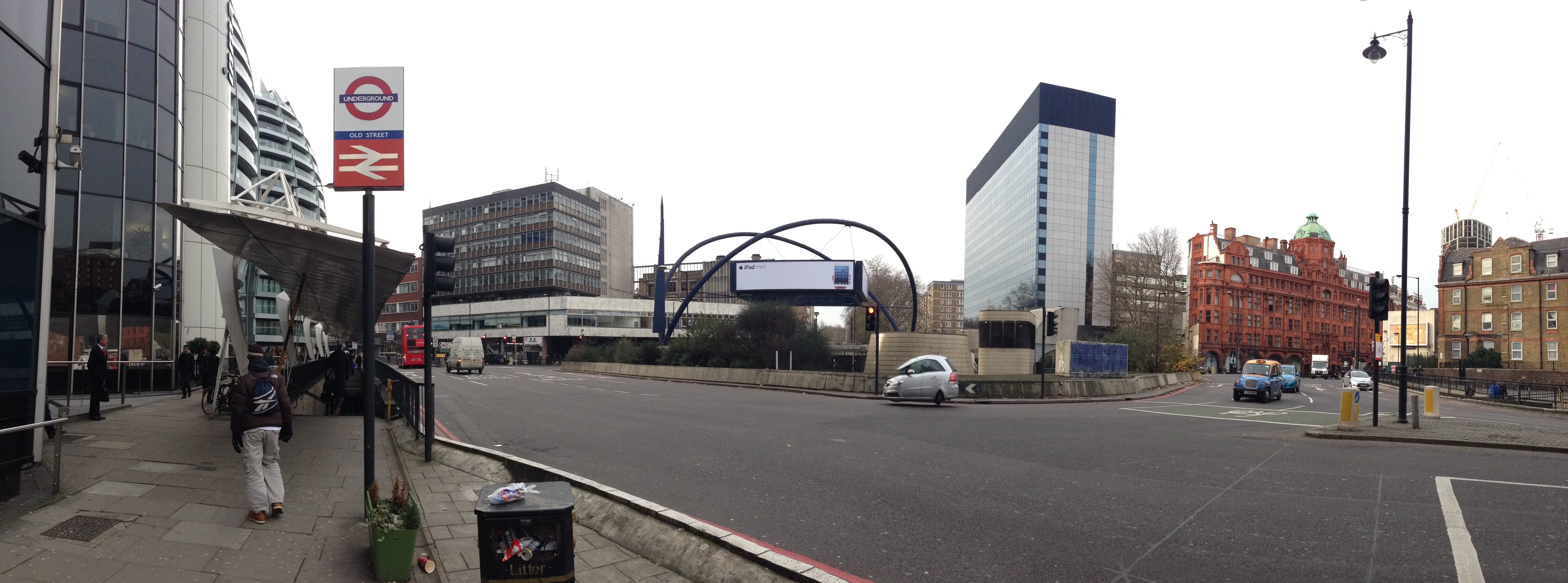
    photo

    Old Street Roundabout is a heady intersection of urban movement flows: on foot, on cycles and in vehicles, including the Tube. But it is currently a mess, out of place within the surrounding network of generally convivial streets. In order to appreciate the severely negative condition of the place you only have to walk to Old Street Roundabout from a few hundred metres in any direction to witness the sudden, dramatic degradation of public space, the increase in traffic speeds and the disappearance of pedestrians into subways.

    Yet, as a nexus of movement, the Old Street junction has the urban design foundations – the DNA of urbanism – to be a great public space, serving the local area as well as acting as a global emblem of Tech City. Not a valley, glen or vale but a truly urban object: a forum, a plaza, a piazza, a market place a square: Old Street Square. Or even, in keeping with the open source/open access aspirations of many in the technology community: Old Street Commons. For this to happen, the public realm of the Old Street junction needs to be overhauled. Radically. (more…)

  • Going to “work” is actually going to “interact”

    Why is people movement important in buildings?
    In a knowledge economy, the key role of buildings is the production and dissemination of new knowledge to drive innovation.

    Awareness leads to interaction leads to transaction.

    Spatial layout works with management style to create a “spatial culture”.

    Corner offices v corridors
    People should sit based on need not based on status. Needs change during the day and during the week so people should move. Offices should provide different kinds of work environment. Open plan and busy when you need more interaction. Corner office/cellular when you need less. Management should permit workers to choose where they want to sit – this is part of trusting workers to perform and businesses will perform better as a result of having great space and great people.

    Effects of technology
    Technology will not replace the office because what matters is making “first contact” and this is harder online – much easier face to face.

    Going to work is about going to interact.

  • A short film about Space Syntax

    Tim Stonor, Managing Director, Space Syntax
    “The population of the world is increasing and, as it increases, more and more of us are living in cities. As cities have grown in the 20th century they have often grown to disconnect people.

    Space Syntax has discovered that many of these problems in cities – disconnection, lack of contact between people, lack of access to jobs – come down to the way in which the city is planned as a layout of space.”

    Ronan Faherty, Commercial Director, Land Securities
    “As a developer, the most important thing for us is understanding the consumer and anything that assesses the consumer and helps us understand them provides real value. When you’re putting down a new property into an existing space we want to understand where consumers are coming from and then how they should engage with the property: where we should put escalation and movement and flows. (more…)