First, the ability to walk to the place you buy your food.
Second, the ability to walk to see friends, go to school, visit a doctor or dentist or catch public transport.
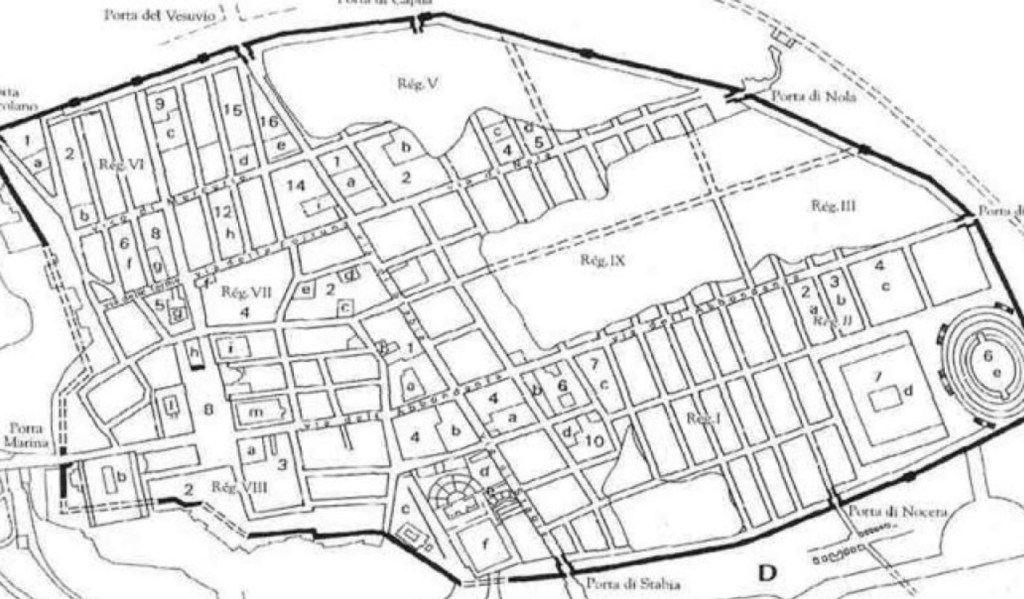
‘Walkability’ requires fine-grained spatial connectivity: simple radial routes from edge to centre to get people to the shops from every direction and then orbitals to let friends get to other friends, to work, school, public transport and so on. Combine radials and orbitals and you get a latticework, or a grid. More regular grids, or less.
To be economic, both food shopping & public transport require sufficient density.
Combine 1) a fine-grained spatial latticework with 2) sufficient density and you have the building blocks of sustainable #urbanism.
If you can only have one then start with the connectivity: the radials feeding a centre and the orbitals helping people move around. Then add the density over time, intensifying the grid with more closely spaced and taller buildings as well as an increasingly finer network of routes towards the centre, where there is more pedestrian activity and an increasingly coarser ‘grain’ towards the edge, where there is less.
Cycling & public transport follow on.
This is how sustainable – ie walkable – towns and cities can grow.
 Tim Stonor